We made our own little library! Our little library is not only an accomplishment of a yearslong fantasy, it is also a constant source of joy when people stop by and a great excuse to buy books. I did most of the planning and designing, with construction and style guidance from my parents and my partner Cory and our friend and housemate and generous feudal lady PJ, and fixing from Cory, an actual mechanical engineer, when things broke. I think PJ wanted to buy a professionally built little library, at least at first, but I wanted to do something ill-advised, amateurish, in retrospect possibly manic, and from the soul and also to use a dremel for the first time in ten years.
Our little library is painted black and the books have a sometimes spooky tint, because we live in a not-yet-painted-black house that may or may not have its own soul (and if it does have its own soul, or a visiting soul (other than our visiting souls, of course), it is absolutely a spooky one) across the street from a graveyard in Salem—which of course means that most of our neighbors and subsequently most of the visitors to our little library have died. Spooky books are often also joyful books, and hopeful books—but sometimes just spooky.
This is a blog post about how we made the library/libraries. Spoiler alert, it ends up looking like this:
This blog post includes links with my Amazon referral code. As an Amazon Associate I earn from qualifying purchases. If you click a link and buy something, I get about 4% of the price as commission. You don’t have to buy these things from Amazon—actually, you don’t have to buy these things at all. You can also support me by buying merch of my art, by buying me a campground store decaf coffee, or by simply reading and enjoying. Thank you!
Ingredients
Here’s everything I bought to make the library:
A reasonably-sized waterproof bathroom cabinet, to serve as the larger library—we painted it black, but this one was originally white, which already looked very nice as a potential library
A narrow waterproof bathroom cabinet, to serve as the small library—this one is dark brown, since it was closest to the intended black, but it also comes in white
Black outdoor paint, to paint the cabinets our preferred color, which was black—but you can choose a different color, or you can choose to not paint your libraries at all
Barrels to plant your libraries in—I bought these fancy wooden bucket barrels (18 inch, 15 inch, and 11.5 inch diameter, one for each library and the smallest destined for flowers). I like them a lot because the real wood and its smell and its texture and the metal handles were important to me because smells and textures are important to me in general, but they are expensive; cheaper, perfectly acceptable, possibly more durable plastic bucket barrels exist, and different sizes and shapes and quantities of the wooden ones—this is the fun part; you could even get this weird wishing well planter I’ve been trying to find some excuse to buy (but I have nothing in particular I want to do with it and nowhere in particular I want to put it) and stick a library in it, which is what I would probably try to do if we decided to add a third library
And here are things we already had that we also used:
A dremel, to cut out interestingly shaped window-holes
A sturdy pocketknife, to cut the plexiglass to fit the window-holes
Variously sized small pieces of scrapwood, to attach the roofs to and to make lock-type turning mechanisms so the doors don’t blow away
A drill and drill bits and screws, to attach the roofs so they don’t blow away and to attach the lock-type turning mechanisms
Lots and lots of rocks
Dirt
Flowers
A very strong glue to fix things when they break, like JB-Weld or Gorilla glue
And some things I bought to put in the library once we built it:
First, I assembled the smaller of the two shelves. (In retrospect, I should have waited until after dremeling the doors, but it worked out fine.)
The shelf fit nicely in its intended bucket, as intended, with some books in it.
I dremeled windows into the doors of both the small shelf, which was easy because I just sliced the spaces between the horizontal gaps, and the larger shelf, which was more challenging. I tried to make the windows large enough that you could see in and see the books. I considered adding more windows to the other sides of the shelves, which you could if you wanted to, but we decided on just the doors.
(Does what I’m doing make you slightly uncomfortable? It probably should. I have no training in this except Science Olympiad in high school.)
I also reoriented the doors of the larger shelf to open in opposite directions because that is more interesting.
Here is how the larger shelf looks, dremeled and assembled:
I like how the large shelf looks as a white shelf, and white might be a good fit for a different project, but we had a whole vibe planned so it had to be painted black. I think it turned out nice and dramatic.
I measured and cut as large rectangles of plexiglass as would fit across each of the doors of the small shelf, covering the windows I had dremeled in (and which had partly already existed before my dremeling). I attached the plexiglass to the doors using mounting tape, which apparently is used for cars so it is probably good enough for this purpose as well.
I cut small straps off a skirt belt I didn’t like and curled them into door handles for the larger shelf, and attached them using mounting tape as well.
Then I cut and attached the plexiglass windows on the doors of the larger shelf—big rectangles covering both the big window holes and the little door handle holes.
Here’s how they turned out, with books inside:
To make a roof, I decided to use file folders, supported by wooden blocks that had been used to deliver furniture. Here is what that brainstorming looked like.
I painted the wooden blocks black and used mounting tape to attach them to the libraries.
I wanted the roofs to be waterproof, and black, so I ordered black plastic file folders and used them as roofs, attached also with mounting tape. Cory told me that when he was improving on this idea later he mentioned my use of plastic file folders as roofs to a coworker, who said that non-engineers sometimes come up with creative ideas to engineering challenges that a person boxed in by an engineering education might not have come up with. A very kind compliment.
They turned out quite nice, I think. Very witchy and spooky.
Here they are in their buckets, outside. We reserved the bottom part of each shelf to fill with rocks so that the libraries would be heavy and more or less sturdy. The shelf comprising the smaller library is actually upside down—the now-bottom shelf used to be the top shelf, intended to store toilet paper.
We bought flowers to plant in the buckets alongside and around the libraries:
Here is Cory planting the flowers. We planted the flowers on the sides and filled the rest of the space in the buckets with dirt. The smaller of the shelves is entirely dedicated to a flower we saw a lot of bees on, which seemed like a very good sign.
Here is how they turned out, after sunset and full of books. Very spooky and cozy:
We bought a ton of books to fit in the libraries. Here are some of the books we bought:
We dedicated the hall window overlooking the libraries to the books we plan to add to the libraries. Here they are at various moments. We ended up moving them from the windowsill to a dedicated shelf under it because there got to be too many.
PJ officially registered our libraries. Here are the fancy materials they sent us, including a little plaque:
Here are the libraries with their plaque. PJ also got a gorgeous flag and a wooden sign and little reading owls sculptures.
Here’s where dreams meet reality, and it gets a little sad—but happy and better afterward. Around Halloween we had a very bad windstorm and everything that could blow away did. The library flag blew away and we found it somewhere down the street. The roof folders blew away and we did not find them. The skeleton hand you can see in the mulch also blew away and we found it later near the graveyard (maybe it was trying to return home). The fence came down, thankfully missing the libaries.
There were two problems we kept running into: one was wind and the other was rain. The roofs kept blowing away, and mounting tape was just not doing the trick. And the doors kept blowing open, letting in rain and getting the books soaked. Twice a door was blown open hard enough that it broke off.
Cory is an actual engineer. He made nice wooden door locks to keep the doors from blowing open and drilled them into the libraries.
Cory also fixed the broken door with superglue.
Finally, Cory added additional wooden supports for the roofs, and drilled screws through the roofs into the supports. No more flying away.
I’m very grateful to Cory for supplementing my—um—creativity with thoughtful and weather-aware actual engineering. Here’s how the libraries turned out, with their improvements:
The past two weeks I was home in Pennsylvania for the first time in two, maybe even three years. All the trees I remember got taller. Even our houseplants got taller.
Last time I was home I don’t remember seeing many little libraries; I don’t remember seeing more than one. Since then they seem to have cropped up like mushrooms (or mushrooms/suburban housing developments/suburban housing developments made of mushrooms)—all shaped like little houses, all clearly created and curated with care and love, all unique. The libraries I visited multiple times had different books each day—and the books themselves seem to be very thoughtful collections.
There are, of course, many more little libraries I did not see than there are little libraries I did see. And some of the ones I did see were not on any map—which means there could be surprise libraries on any street we could step into on a meandering walk like those we had together in the evenings this June, and even making a thorough scavenger hunt of it would not guarantee I found them all. Some kind of commentary, perhaps, on more generally living life as a whimsical adventure.
Here are the little libraries I got to visit.
A little library in the Arboretum. The Arboretum was just starting out when I started college and has now blossomed. We had class field trips to the Arboretum in my writing classes during my year at Penn State. This little library is the one and only little library I remember seeing on a past visit:
A little library on a walk near our neighborhood. This library has adorable decorations inside: little hanging pictures, including of cows in a field, which is a not-uncommon view here. The book selection changed from day to day, and on one day, a sticker collection appeared:
A little library in the park where I and my friends used to play hide-and-seek tag after dark, and past which I used to bike on my way to school in the mornings, past little lakes of mist settled in the little valleys between the tiny hills in the park:
I picked up my next book to read at this library, and a book heart sticker at the library before it. The book heart sticker is now on the first page of my todo list notebook:
I picked up Gameboard of the Gods by Richelle Mead, which I am now reading alongside Small Gods by Terry Pratchett. Because circumstances necessitated comfort reading I took a break from Small Gods to reread Bridget Jones’s Diary and Bridget Jones: The Edge of Reason (Bridget Jones’s Diary volume 2) by Helen Fielding, which are two of my favorite books. But now I am on from novelized late-90s feminism/Pride and Prejudice retelling to fictionalized polytheism. Along the same path I am also listening to Old Gods of Appalachia, which is spooky and excellent (“…an eldritch horror fiction podcast set in an Alternate Appalachia, a world where these mountains were never meant to be inhabited. This world feels eerily similar to the hills and hollers we’ve grown up with, but there are some tell-tale differences. Names of towns and counties may be altered. Historical events slide forward or backward in time. And then, of course, there are the monsters…”).
Note that the above includes links with my Amazon referral code. As an Amazon Associate I earn from qualifying purchases. If you click a link and buy something, I get about 4% of the price as commission. You don’t have to buy these things from Amazon—actually, you don’t have to buy these things at all. You can also support me by buying merch of my art, by buying me a campground store decaf coffee, or by simply reading and enjoying. Thank you!
A little library on the drive to a friend’s house (I nearly dove out of the car to get a better look and take a photo). This one has a gnome and little red mushrooms, and I really like the trellis up the side of the house. It feels like maybe the gnome lives in this house, and it is his personal library that we are disturbing; very kind of him to invite us in:
And another little library in that same neighborhood, right along a bike path. This neighborhood is very modern, with unique and unusual homes, some built into hillsides; this library matches them nicely:
A little library near our high school, on the walk we used to take home from school:
This library is in a park I used to bike past multiple times a week, depending on the path I took to school or home from school, and yet I never particularly noticed—and the park is huge! and gorgeous.
You might notice that by the time we got to this little library, it was sunset. The walk home gave us these gorgeous spooky-peaceful Pennsylvania views:
Another little library near the school, on the same walk, a few blocks out of the way, in a beautiful neighborhood I’d never walked through before—this library is more of a castle, with stepping stones, a little garden with labelled plants, and flowers painted into the inside walls:
A surprise little library we stumbled on, also on that walk. This little library has a cozy reading chair inside, and a door nicely sized for a creature who might use that chair. Very cute, and very sturdily and creatively constructed, with a gorgeous and modern glass ceiling and glass walls and therefore plenty of sunlight for the cozy creature(s) to read by:
There is a convenient door at the base of the library, which means there might be an exceptionally tall spiral staircase up to the reading nook.
We came back a few days later and the Pride flags had moved up:
A little library on another walk, on the way to go see a new housing development that was just being planned (and protested against) when I was last home. Years ago, the new housing developments were all very strange: some of the roads had been made, but not all of them, and none of the buildings, but the busses were already running, circling around nowhere, picking up no one. Now this one is a bizarre modern village with lights in the windows and people living their lives and a steep drop into the hills.
This little library is a ways away from the new neighborhood, but it was on our winding walk there. It has a cat in a window:
This walk gave us these gorgeous spooky-peaceful Pennsylvania views:
A little library by an elementary school. My dad thought there might be a library there and stealthily led us to it on a walk, and indeed there was a library there; a very happy surprise. The color and in particular the roof are very elegant and cute:
A little library we intentionally walked to, but were startled to find empty. It is by a football stadium near campus; the semester is over and the football stadium is empty, so maybe that is why the little library is empty. It also has a little free necessity box next to it:
A little library in Shaver’s Creek, next to the environmental center, surrounded by forest. This little library is next to a very pretty little artificial pond with a bench next to it. We saw a turtle swimming in the pond and we saw two frogs:
Here is what Shaver’s Creek looks like—the world surrounding this particular library:
Finally, a little library my brother’s friend Maya sent to my brother Max and my brother Max sent to me when I was on my way back to Massachusetts. I love its long shape and asymmetrical roof:
The plane ride back to Massachusetts was the most beautiful and the most bittersweet of recent memory. Here are my views on the way home:
As an Amazon Associate I earn from qualifying purchases. This blog post includes links with my Amazon referral code. If you click one and buy something, I get about 4% of the price as commission. You don’t have to buy these things from Amazon—actually, you don’t have to buy these things at all. You can also support me by buying merch of my art, by buying me a campground store decaf coffee, or by simply reading and enjoying. Thank you!
I blogged previously about my love for our neighborhood’s little libraries. If you are like me, and you ever feel lonely or disconnected, then maybe you, like me, could benefit from buying and donating your favorite books as a valued part of a good de-lonelying. You get to experience the fun of shopping, the anticipation and thrill of getting books in the mail and finally holding them in your hands, maybe the comfortable adventure of rereading a favorite story, a lot of nice walks with a nice destination, and finally the hope that you’ve given a favorite piece of yourself to someone else who really loves it and that that part of you might be out there making the world better for them. If you can afford it (and it’s cheaper than you might expect), I recommend it.
This time, I also bought a big pack of crayon boxes, because I love crayons and I think I would have loved to find a box of crayons as a child, especially alongside a great book, and I wrote little notes in the books and in the crayon boxes, including a favorite inspirational Neil Gaiman quote.
As much as I give I apparently also take. Here is our добыча from Salem’s Free Book Day on April 10th. All or at least the vast majority of these books will, of course, eventually make their way back into the free book ecosystem.
So far, I have read Finlay Donovan Is Killing It, which is about a writer writing fiction about (and definitelynot engaging in, certainly not for substantial supplemental income, and absolutely not as research for her next book) murder for hire; The Messy Middle, which is not about murder for hire but is about working through the middle of any other kind of long and difficult project (something like, perhaps, a PhD); and My Name Is Awesome, which is about naming things and is really more of a pamphlet. My partner Cory is reading Company of Liars. Happiness, happiness, happiness.
One of the books I bought for my little library donations was a favorite from a previous life, Don’t Look Behind You by Lois Duncan, which is a fictional suspense story about a family that goes into witness protection. Growing up I really, really, really loved anything and everything by Lois Duncan. I still remember the exact shelf in my middle school library where Lois Duncan’s books lived. I checked that shelf every time I got to go to the library to see if there were new-to-me books that had previously been checked out. Whenever I did get a new Lois Duncan book I remember not being able to sleep until I was done reading—by flashlight under the covers (worth the vision loss? maybe), promising my dad every time he noticed the light under the door that I’m of course going to sleep (absolutely not, but worth the sleep loss, I think). It was delightful to reread.
When I finish a book I enjoyed I usually read through to the acknowledgements and, if it’s a teen book, the reader discussion questions. Just for fun, just this once, I decided to actually answer them.
1. Until April was called out of class, she didn’t know how much trouble her dad was mixed up in. Do you ever wonder if your parents are hiding secrets from you?
What an odd question to ask your middle school English class: “Children, are any of your parents secretly tied up in anything suspicious? Maybe an international drug cartel? Please, speak clearly and slowly into this microphone.”
(And no, I don’t. But I also believe that if my parents do keep secrets from me it is healthy and okay, because we’re all adults and we are all allowed our own private (non-crime-related) lives.)
Discussion questions are off to a weird start.
2. Is April’s life back home really as perfect as she makes it sound? Explain.
April has a boyfriend, a nice house, a sport she is both good at and deeply invested in (a helpful combination, to be both good at something and interested in it), friends, and a family that loves her. That sounds great. I think that’s a nice life.
3. Lorelei and April’s mom are very different. Do you know people who are very different from their parents? In what ways are you different from your parents?
I really enjoy stories about women in a family, especially women from multiple generations of a family. There is so much that goes into a multigenerational family relationship—your expectations of each other through the different stages of life as each of you changes, how that relationship changes into adulthood and old age, the childhood scars and fears that each person brings in, the unexpected things that bring you closer or farther apart. I love how Meg Wolitzer explores family and friend relationships over time, especially in The Position and The Interestings, and I really like Gilmore Girls for the same reason. The first time I watched Gilmore Girls I was closer to Rory’s age; Rory was my main character and her relationship with Lorelai was the most interesting part of the story to me. Now that I’m closer to Lorelai’s age, Lorelai has become my main character and her relationship with Emily and her professional growth are the most interesting parts of the story to me. I wonder how my experience of the show will change if I rewatch Gilmore Girls again in the future, maybe when I hopefully someday have my own kids.
My mom, my maternal grandmother, and I all have the same voice—I guess it is passed down on the maternal line. My grandmother is a bit more high-pitched (she sometimes sets of fax machines), but all three of us have very expressive voices that can’t be distinguished from each other over the phone. Otherwise the three of us are all very different, and those differences are magnified by us having lived through very different times and experiences and having grown up in different cultures. Exactly as we should be. I think we complement each other well.
4. When April listened in on Max’s call to Jim about the threatening letter her dad received, she decided not to tell her mom. Did she do the right thing? Why or why not?
I definitely think that in a scary story it is generally very important to the protagonists’ survival that they openly and immediately communicate all scary-story-relevant information. So no, not the right thing.
5. April complains that her family’s time at the hotel with Jim is boring. What would you do if you were stuck in that situation? Would you be bored watching TV all day, with no friends to talk to?
This was a very interesting book to read at this time. In the book, April is trapped indoors by the witness protection program. In the real world, we’ve been isolated and to varying extents removed from our lives by the pandemic. (I’m not sure which sounds more fictional.) Based on the past year, I know that I would watch a lot of TV but that I would not watch TV all day. I would probably spend more time on the balcony, or whatever outdoors I could reach. I would get more books (clearly) and spend as much time as I could with them—and maybe some plants, too. I would miss my friends and family a lot.
6. Since she was quite happy with her old life, April is reluctant to start a new life in the Witness Security Program. Other people might find it exciting to start with a clean slate. Have you ever fantasized about starting fresh in a place where no one knows you? If you could reinvent yourself, what would you change? Where would you move?
I, like April, have a lot invested in my current life and have worked hard to build many things that I care about—I wouldn’t want to start over. A change sounds appealing, but not a clean slate, except perhaps the kind of clean slate that comes from finishing projects and getting to start new things that I currently can’t even imagine. I do think it would be fun to do something new—not too new, but a little new, having finished previous projects to my satisfaction and taken some time to read and think. That kind of clean slate sounds nice.
7. If one of your friends disappeared without warning with her entire family, what would you do?
I would assume that my friend got deported. I tend assume that my friends are not going to be deported, but I have been wrong in the past. It is very sad when something like this happens.
8. When Larry first invites April to the movies, she’s worried about being faithful to Steve and doesn’t want to go on a date. Later she finds out that Steve hasn’t waited for her. Taking the situation into account, would you wait for April if you were in Steve’s shoes? How long could you wait without even knowing what happened to her?
I’m not in high school, and my partner is my partner of almost a decade—if he disappeared to go into witness protection and I did not even know where he disappeared to, my world would crumble. For that reason I imagine we would disappear together, though I also wouldn’t want to leave my family so maybe we could bring them too.
If I were me from high school and my boyfriend of perhaps several months moved across the country without saying goodbye, I don’t know that I would look too far past the surface of the situation. Boyfriends move, and while a cross-country move is a lot to hide, sometimes people hide things they aren’t thrilled about. I would be upset but, in high school and as my high school self, I’d probably move on quickly.
9. April really loves playing tennis, and her skill is a big part of her self-image, so she takes it hard when she finds out she can’t play on the team. What interests, hobbies and talents do you think define you as a person? What would you be unwilling to give up in a similar situation? Are there certain things that are so important you could never sacrifice them?
I think any means of creative expression, especially one you are good enough at that you are reliably able to commit a piece of yourself to it and feel truly seen by other people through it, becomes an important part of the self. I can’t imagine tennis being that kind of expression for me, but I do not play tennis. I am especially sympathetic to April’s mom, who had built a writing career she was proud of and now couldn’t write, not even under a pen name.
10. When April presses her dad for the reason he put the family in danger, he says, “The real truth is, I wanted to be a hero” (p. 120). He explains that he’s never felt important in his life, and this was his big chance. Do most people want a chance to be heroes at least once in their lives? Why or why not?
I think everyone wants to feel that they’ve made a positive impact in the world, preferably in some way that is personal and validating. This scene was a very valuable part of the novel. I don’t know that I would have sympathized with April’s father without it.
I think this question ties in to the previous question. To April, her legacy was tennis. To April’s mom, her legacy was her writing. To April’s dad, his legacy was what forced the family into witness protection. No one got to keep their legacy except April’s dad, and living his legacy stripped the rest of his family of theirs. That’s not how it should be—families should support each individual’s independent life and work and whatever mechanism they’ve found for sharing themselves with the world.
11. At the end of the book, April seems to come to terms with her new life. What would you miss most if you had to start over? Who would you most want to be able to see again?
At some point in The Messy Middle (from my Salem book haul) the author says that we should value our projects and jobs and situations and the people around us not only by how much we want them now, but by how much we would want them and fight to get them back if we lost them. For me, that’s a lot.
I would miss my friends and my family the most. I would miss my home—both Cambridge and central Pennsylvania. There is something very comforting in the particular plants I’m used to seeing around me, and in the clouds and the rain and the hills and the forests. I don’t think I could comfortably live for very long in a desert or in a warmer climate or in a very different part of the world. I don’t think I could live at all without my family or my partner.
And of course I would miss the life I’ve built for myself and the hope I have for it. I would miss all the little parallel tracks I’ve built, and I would always wonder where they would have led if I’d gotten to stick around to see them.
—But I don’t have to miss it, any of it. It’s all mine.
To end, an inspirational reminder to myself and to anyone else reading this, because art is important and uplifting from both the receiving and the creating side of it—
It is getting cold and there is a pandemic and sometimes it is lonely. If you would like to do something nice, here is a nice thing you could do that feels extra good because it is also putting a bit of your soul out into the world to share and for people to love.
A lot of people in our neighborhood and surrounding neighborhoods and towns have been putting up little libraries. They make me very happy. They are all decorated and in pretty shapes—often house shapes, which is delightful, but we have also seen some carved into stone walls and some are simple large plastic bins with a library label. I don’t keep track of where the libraries are, and the books are not organized or distributed in any particular way, which makes stumbling on them and looking into them a special and surprising experience. I’ve found some unexpected books I don’t think I would have otherwise read. Finally, I really enjoy the experience of browsing in a library, of knowing the layout of my favorite shelves and what books live there and physically holding the books and reading the summaries on the back and feeling the pages between my fingers while I read a bit before checking a book out. In elementary school at AJLA we used to have special days when we got to go to the library as a class, and we got an entire chunk of dedicated time to just browse. I think we had a limit to the number of books we were allowed to check out at one time, because I used to get special permission to visit the library extra times during the week if I finished all my books and finished my classwork, and it was always very special to me to get to go. I still remember my room and the layout of our house from when I was that age, and I also still remember the school library and where each section was located and what books were on each level of my favorite shelves (I was especially obsessed with Lois Duncan). We live right next to a library now but I haven’t had the experience of checking a book out in person since the library switched to virtual ordering for the pandemic, and I miss it, and the little libraries have given it back to me.
I took photos of some of them to share with you:
Cambridge in general often has lots of books out on the sidewalk for people to browse and take:
You might have noticed that a lot of the little libraries are associated with Little Free Library, but not all of them are, and all of them are good.
Because the pandemic has made getting my favorite books a little more challenging, I’ve faced the reality that the local library is not indeed a massive extension of my personal book collection (nor my home office). In other words, I finally got around to buying my favorite books. I bought most of them used, to replicate the library experience as closely as possible (some of them are actually from actual libraries), and since used books are so cheap I bought several of each. I kept one of each book, and the others we put in a particularly empty little library in a particularly well-used public park. Here is round 1:
And here are rounds 2 and 3, coming soon:
It is a small nice thing to do, but it is very special to me, and I think I will be doing this somewhat often (especially since shopping and bidding on things are their own fun). It is a very cozy thought that at any moment today, someone might be discovering one of my favorite books and maybe it will become their favorite book, too—and maybe they’ll keep the book and reread it, or maybe they’ll put it back and someone else will enjoy it, too.
Here are some nice photos from throughout the past few years, some pre-pandemic, mostly mid-pandemic, in no particular order:
Every PhD student I talk with seems to have a different qualifying exam and a different qualifying exam experience. My department, Organismic and Evolutionary Biology at Harvard, has a very flexible and customizable quals, in line with the overall very flexible and customizable PhD program. Our qualifying exams usually happen in the second (G2) year, and consist of the following parts:
Three committee members, in addition to your advisor, one of them (not your advisor) Chair of the committee—all available at the same time, all in the same room (or zoom room). This part was trickier than I expected. The committee does not all have to be from the department, which helps. Connecting with professors I had already had excellent and productive interactions with helped. Asking for broad availability before sending out possible exam times helped. Booking the room well in advance helped (but did not end up being necessary in my case).
A written dissertation research proposal describing the work you plan to do during the rest of your PhD. I have been told that a lot of people end up deviating from the proposal. My proposal consisted entirely of projects I had already started and am committed to finishing. Even so, I am already doing work I could not have even imagined when I wrote my proposal, even though I wrote it something like seven months ago.
Three syllabi of courses you think you are qualified to teach, on varying topics and of varying levels. This is open ended and different from what I usually do and (I think) a lot of fun.
An oral exam, up to three hours long, consisting of two parts. First, you present and answer questions about your work. This part is (I think) a lot of fun. Then, the committee asks you questions, guided but not constrained by your syllabi, to find the depth (or shallowness) of your knowledge. This part is (I think) a lot harder and less fun.
I passed my quals in the spring, during my G3 year, on Monday, April 13th (like Friday the 13th but worse, because it’s a Monday). We’re required to pass sometime during the G3 year, so I just slipped under the radar. (I had also scheduled a back-up time a few weeks later in case I failed, but I did not end up needing it (!!!!).) April 13th was at the very end of the very start of the pandemic in the United States—my quals were virtual, over zoom. I had originally timed the exam to be right before my mom’s birthday and just after my dad’s and brother’s birthdays, and planned to go home to Pennsylvania right after, hopefully accomplished and with a weight off my shoulders and with full focus on family. Of course that did not happen, and I haven’t seen my family since spring break in March. Instead, I got back from my own birthday with my family over spring break in Florida to a lockdown, thinking it was temporary, and focused fully on quals prep.
I wrote my dissertation research proposal first, with three chapters covering my three in-progress projects (and one tiny transition chapter-ish section covering a relevant smaller completed project). These wound up being 1,970+510+2,245+2,628 = 7,353 words not including references and took a lot longer than I expected, largely because the writing required a lot of reading. I then compiled my syllabi. I got carried away and added far too many papers; I ended up (by request of my committee) sending another version with key papers highlighted. This sequence of events was bad, because it allowed early tasks to steal preparation time from later tasks; it was also good, because it allowed me to work on just one thing at a time, which (I think) I am better at than I am at multitasking. I give a lot of presentations at work, so my slide deck covering my research was largely already ready—which meant that in the weeks leading up to my exam I was able to focus almost entirely on reading the papers on my syllabus.
The exam itself was fine. I took it sitting on the floor between the couch and the coffee table in our living room, with my computer on the coffee table and cups and cups of water and coffee just offscreen on the floor next to me. I was very nervous leading up to the exam and didn’t sleep, which was a mistake. My presentation of my research was excellent, I think, though (not surprisingly) I was not able to get to everything I wanted to talk about and we exceeded the allotted time. The oral exam was a weaker point. I did not know the papers on my syllabus well enough to answer pointed questions about the material anywhere near as well as I would like, even though I had read every paper. I was very nervous, and made some embarrassingly dumb mistakes. In retrospect, for both the presentation and the syllabi, it would have been better to give myself less material—to go deeper into the material on the syllabi and to go less deep into my own work, at least for the presentation (not the written proposal).
When I entered the time crunch of the last few weeks left I put together a spreadsheet tracking my progress and timing of remaining work. (You update the count of papers you’ve read in the “done” columns and everything else fills in automatically.) I make a spreadsheet like this one every time I have some work to do that is both time pressured and easily quantified, which is rarely the case in grad school (except for quals prep) but was usually the case in undergrad. I started making these kinds of spreadsheets a few weeks into freshman year; my friend Mika taught me pretty much immediately after we both arrived on campus. It is motivating and reassuring and probably also a method of procrastinating. I’ve attached a version of my spreadsheet below, with Halloween set as the deadline, in case you would like to go nuts in the way I particularly like to go nuts and use it as a template or inspiration:
All in all I spent about exactly a month on full-time/overtime quals prep (pretty much quals prep and sleeping (probably not enough sleeping) and very little else) from the middle of March to the middle of April. I think it was good for me to constrain this chapter of the unending project of self-improvement and mind expansion—but if I could go back in time, I would have started compiling my syllabi and reading the papers on my syllabi during the first year of my PhD. Some of the texts on my syllabi are material I read and learned at the start of my PhD, but because I chose to also include a lot of material I wanted to know well but didn’t, there was a lot for me to read leading up to the exam and I am not satisfied with how well I absorbed some of it. Reading just one or two papers a week spread out over a year would have probably resulted in far better retention and learning, and would have allowed me to dedicate more time to getting everything I could from each paper. At the time I was intimidated by the process of putting together my syllabi, but I didn’t need to be. Organizing my favorites of the papers I was already reading into vague themes would have been a good enough start to later retrofit to the desired format.
I have been told that some students dedicate an entire semester to preparing for quals. I don’t think I would like to do that (and if the pandemic hadn’t paused my primary project I probably would have continued to try to multitask and continue working on research—which probably would have ended badly for my qualifying exam, though who knows), but focusing entirely on reading and writing for a stretch of time was very productive for me.
I learned a lot, both about my current projects while preparing my dissertation research proposal and about what kinds of work and tools are available to me in the field more broadly while preparing my syllabi. As I expected, having to write out the current and future directions of my current projects and having to read deeply enough to write every sentence with full truth and confidence forced me to gain a much, much better understanding of my own work and of the adjacent literature. What surprised me was that when I returned to my research after my qualifying exam, I returned with a lot of clarity of a sort I hadn’t had before. I knew where I was and where I was going in my current projects. I also found myself coming up with exciting new project ideas at a rate and of a quality (if I may say so myself) I hadn’t expected from myself at this stage of my career; quals definitely caused a leap in my ability to think like a scientist.
The document itself is also helpful as a compilation—I rather frequently refer back to my project proposals, my syllabi, and especially the references at the end of each project proposal. My strategy in undergrad and at the start of grad school was to do the science first, then write only when the science was done. Now I am trying something new and writing the paper as I go, and I find that so far it has made the work far more focused, informed, and efficient, and has give me a way to identify (and hopefully fix) problems and gaps in my work well before I try to build anything on them.
To sum up, here is my advice to anyone getting ready to prepare for their qualifying exam:
Start identifying and reading papers for the exam well in advance, even before you actually start officially preparing for the exam—a little at a time. Amortize as much as you can of the paper reading part of the work.
For every paper you read, put together a few sentences summarizing the key takeaways from the paper. Review your list of papers and summaries in the days leading up to the exam.
I found quals to be a great opportunity to learn things I did not know but wanted to know. You can fill your syllabi with material you know well, material you want to learn, or a mix. Consider what you want to get out of the experience and plan from there.
When scheduling the test, first ask your committee for broad swaths of time (weeks or months) that are or aren’t good and for any recurring commitments when they are always busy. Then send out a poll with specific test time options. I initially sent out a poll with five timeslots, and then when none of those worked I sent out another poll with ten additional timeslots. I had access to two of my four committee members’ calendars, which helped. I also found it helpful to allow committee members to give each time slot a score from 1 to 5 (5—extremely convenient, 3—I can make it work, 1—doesn’t work for me) rather than just saying yes/no/maybe, which made it easier to work with potential scheduling conflicts. Here is what my first scheduling form looked like:
Send out and ask your committee to reserve time for not one, but two three-hour timeslots for your exam, several weeks apart. This way, it won’t be as hard to reschedule your test on short notice if someone has an emergency or a conference or an unexpected vacation or speaking opportunity. And if you fail your test you have another one already lined up with time to prepare for it.
Don’t worry about fitting everything into your presentation. If you’re anything like me, you should make the presentation itself shorter than you think it should be—if you have more slides, then you can have plenty of hidden slides ready in case they come up in questions and discussion.
There will be questions you don’t know the answer to. Hopefully you are able to answer the shallower, easier questions before reaching something you do not know.
Have a nice, efficient stress-relief activity that doesn’t hook you into spending a lot of time on it. I almost never played video games until studying for my quals and for some reason occasionally playing Animal Crossing elevated rather than decreased my productivity, which is not something I would ever have expected.
Get plenty of sleep the nights leading up to the exam itself.
What follows is my three syllabi:
Evolutionary Perspectives on Human Disease, which is meant to be an introduction to the immune system as it appears throughout life (in humans, in animals more broadly, in plants, and in bacteria), a not very deep look at disease (infectious and otherwise) across life, and interactions between and co-evolution of infectious agents and their hosts, especially when the hosts are human (but also, briefly, when the hosts are bacteria), culminating in the evolution of the placenta.
Microbial Inhabitants and Infectious Agents of the Human Body, which is a sweeping view of past outbreaks and epidemics, culminating in the current COVID-19 pandemic, as well as short visit to some of the microbes that we more happily coexist with.
Introduction to Data Analysis Methods for Biological Inference, which covers everything from experimental design and statistical tests to multivariate models to GWAS and PCA to how sequencing works and metagenomic sequencing and genome assembly and phylogenetic trees, culminating in an exploration of how genomic sequencing can be used to track and react to infectious disease outbreaks (which is one of the things that I work on).
I tried to design the syllabi as if I were actually teaching these courses—and I would actually be very excited to teach them. They encompass, I think, most of what I know that is most relevant to my research, including a lot of things that I did not know until I put these syllabi together, found gaps in my knowledge that I was not satisfied with, and filled them. (I would also like to teach creative writing, but alas.)
You might notice that the readings include both actual papers and science journalism, in some cases science journalism about papers that are also included. (This actually came up as a question during my exam!) Including both was a very intentional choice: science journalism—specifically, Popular Science and then MIT Technology Review—was the first context in which I read about and got excited about research. I still get most of my science news from popular science journalism, especially in fields that I am curious about but am not doing research in. My hope, if I were actually teaching these courses, is that offering both research articles and popular science would
allow students who are just starting to learn about infectious disease to engage in the class, hopefully leading to increasing comfort and a transition to the primary literature as the semester goes on,
give students who are confused about or lost in a paper a way to get untangled (and teach students to seek out ways to get untangled), and
show students some of the many different ways of writing about science, and show them good (and possibly bad) examples of how to communicate both with their peers and with a broader audience.
You might also notice that I put these syllabi together in March—some of the work on COVID-19 is already out of date.
As an Amazon Associate I earn from qualifying purchases. The next few paragraphs of this blog post includes links with my Amazon referral code. If you click one and buy something, I get up to 4% of the price as commission. You don’t have to buy these books from Amazon—you can support local bookshops by buying books from Bookshop.org, or you can buy them used and donate them to or start or build a little lending library in your neighborhood, or you can not buy anything at all. You can also support me by buying merch of my art, by buying me a campground store decaf coffee, or by simply reading and enjoying. Thank you!
There are two books I reference a lot, because I like them a lot, that I highly recommend—
Regression and Other Stories (Analytical Methods for Social Research) by Andrew Gelman, Jennifer Hill, and Aki Vehtari:
We used Regression and Other Stories in OEB 201 (Introduction to experimental design and model building for ecologists and evolutionary biologists) with Professor Lizzie Wolkovich my first semester of my PhD. The class and the textbook were both extremely useful and enjoyable—definitely one of my most efficient and relevant learning experiences. Our version of the textbook was an earlier draft, spiral bound, years before it came out—we got to read it early and we got to contribute feedback that went into the final version, which I thought was a fun and special experience and a neat way to feel connected to a work that I greatly enjoyed reading. My copy is very, very dog-eared and highlighted and covered in notes and thoughts in every margin. I refer to it often whenever I need to do any modeling or think about experimental design.
Zoobiquity: The Astonishing Connection Between Human and Animal Health by Barbara Natterson-Horowitz and Kathryn Bowers:
Zoobiquity completely changed the way I think about the human experience and broadened my view of human disease—which was extremely valuable because human disease is the focus of my work. I got to be a Teaching Fellow a few years ago for three sections of HEB 1328 (Evolutionary Medicine: Comparative Perspectives on Medical, Surgical and Psychiatric Illness) with Professor Barbara Natterson-Horowitz. The lectures largely followed the book, which is nice because it means you can get a good part of the learning by reading it.
Evolutionary Perspectives on Human Disease
Immune systems, infection, and inherited disease across life.
This is a lecture-based class introducing the human immune system from a comparative perspective, along with some of the diseases our immune systems help us fight or can cause. We will learn about immune systems across life, in bacteria, plants, humans, and non-human animals—and how comparing immune systems allows us to better understand zoonotic transmission of disease. We will then look at some examples of infectious disease and inherited disease in animals and plants, and how animal parallels of human disease have helped us solve our own, human mysteries and make strides in medicine. Finally, we will look at how pathogens and their hosts impact each other’s evolution, and how human evolution has been impacted by disease.
We will meet on Tuesdays and Thursdays. Every week, you are responsible for reading your choice of two of the other listed texts closely enough to be an expert, and emailing me one generous tweet-length response to each text that you choose (≤250 words each). For the last 15 minutes of each lecture, I will display two responses on the projector and we will discuss them as a class. Highlighted texts are strongly recommended.
In lieu of a final exam, you will choose your favorite of your peers’ “tweets” that we discussed in class (not your own) and use it as a jumping-off point to write a 1,000- to 2,000-word response drawing from the texts and from class discussion.
By the end of this course, you will have a broad understanding of immune systems and disease across life, and (hopefully) the value of knowing it all.
The Immune System
Week 1: The Human Immune System
“Understanding the Immune System: How It Works,” published by the NIH in 2003 [link]
“The immune system,” published in Essays in Biochemistry in 2016 [link]
“Overview of the human immune response,” published in The Journal of Allergy and Clinical Immunology in 2006 [link]
Week 2: Bacterial Immune Systems
“The Origin of the Bacterial Immune Response,” Chapter 1 of Self and Nonself, 2012 [link]
“Systematic discovery of antiphage defense systems in the microbial pangenome,” published in Science in 2018 [link]
“Temperate Bacterial Viruses as Double-Edged Swords in Bacterial Warfare,” published in PLOS ONE in 2013 [link]
“Viruses Have Their Own Version of CRISPR,” published in The Atlantic in 2016 [link]
Week 3: Plant Immune Systems
“The plant immune system,” published in Nature in 2016 [link]
“Origin and evolution of the plant immune system,” published in New Phytologist in 2019 [link]
Week 4: Animal Immune Systems and Evolution
“Comparative Immune Systems in Animals,” published in Annual Review of Animal Biosciences in 2014 [link]
“Origin and Evolution of Adaptive Immunity,” published in Annual Review of Animal Biosciences in 2014 [link]
“Evolution of Immune Systems From Viruses and Transposable Elements,” published in Frontiers in Microbiology in 2019 [link]
Week 5: Vector Immune Systems and Zoonotic Transmission
“The Immune Responses of the Animal Hosts of West Nile Virus: A Comparison of Insects, Birds, and Mammals,” published in Frontiers in Cellular and Infection Microbiology in 2018 [link]
“Mosquito Vectors and the Globalization of Plasmodium falciparum Malaria,” published in Annual Review of Genetics in 2016 [link]
“Host phylogenetic distance drives trends in virus virulence and transmissibility across the animal-human interface,” published in Philosophical Transactions of the Royal Society B: Biological Sciences in 2019 [link]
“Surprise! British Red Squirrels Carry Leprosy,” published in The Atlantic in 2016 [link]
“Is It Possible to Predict the Next Pandemic?” published in The Atlantic in 2017 [link]
Week 6: Bats as Disease Vector
“Why Are Bats’ Immune Systems Totally Different From Any Other Mammal’s?” published in Popular Science in 2015 [link]
“Bats’ immune defenses may be why their viruses can be so deadly to people,” published in Science News in February 2020 [link]
“Accelerated viral dynamics in bat cell lines, with implications for zoonotic emergence,” published in eLife in 2019 [link]
“Dampened NLRP3-mediated inflammation in bats and implications for a special viral reservoir host,” published in Nature Microbiology in 2019 [link]
Infectious Disease Across Life
Week 7: Infectious Disease Across Life
“The Koala and the Clap: The Hidden Power of Infection,” Chapter 10 of Zoobiquity
“Plant and pathogen warfare under changing climate conditions,” published in Current Biology in 2018 [link]
“How Viruses Cooperate to Defeat CRISPR,” published in The Atlantic in 2018 [link]
“The Viruses That Eavesdrop on Their Hosts,” published in The Atlantic in 2018 [link]
Week 8: Extinctions and Mass Mortality Events
“Recent shifts in the occurrence, cause, and magnitude of animal mass mortality events,” published in PNAS in 2015 [link]
“A Starfish-Killing Disease Is Remaking the Oceans,” published in The Atlantic in 2019 [link]
“Why Did Two-Thirds of These Weird Antelope Suddenly Drop Dead?,” published in The Atlantic in 2018 [link]
“What We Can Learn From the Near-Death of the Banana,” published in Time Magazine in 2019 [link]
The Chytrid Fungus:
“Amphibian fungal panzootic causes catastrophic and ongoing loss of biodiversity,” published in Science in 2019 [link]
“The Worst Disease Ever Recorded,” published in The Atlantic in 2019 [link]
“The Cascading Consequences of the Worst Disease Ever,” published in The Atlantic in February 2020 [link]
Inherited Disease Across Life
Week 9: Inherited Disease Across Life
Heart Disease:
“The Feint of Heart: Why We Pass Out,” Chapter 2 of Zoobiquity
“Scared to Death: Heart Attacks in the Wild,” Chapter 6 of Zoobiquity
Mental Health:
“Grooming Gone Wild: Pain, Pleasure, and the Origins of Self-Injury,” Chapter 8 of Zoobiquity
“Fear of Feeding: Eating Disorders in the Animal Kingdom,” Chapter 9 of Zoobiquity
“A Landmark Study on the Origins of Alcoholism,” published in The Atlantic in 2018 [link]
Cancer:
“Jews, Jaguars, and Jurassic Cancer: New Hope for an Ancient Diagnosis,” Chapter 3 of Zoobiquity
“Elephants Have a Secret Weapon Against Cancer,” published in The Atlantic in 2018 [link]
Diabetes:
“The Blind Fish That Should Have Diabetes, But Somehow Doesn’t,” published in The Atlantic in 2018 [link]
Week 10: Allergy and Autoimmune Diseases
Allergies:
“Comparative Immunology of Allergic Responses,” published in Annual Reviews in 2015 [link]
“Early life factors that affect allergy development,” published in Nature Reviews Immunology in 2017 [link]
“Pet-keeping in early life reduces the risk of allergy in a dose-dependent fashion,” published in PLOS ONE in 2018 [link]
“Comparisons of Allergenic and Metazoan Parasite Proteins: Allergy the Price of Immunity,” published in PLOS Computational Biology in 2015 [link]
“Interactions between helminth parasites and allergy,” published in Current Opinion in Allergy and Clinical Immunology in 2009 [link]
Autoimmunity:
“Human autoimmune diseases: a comprehensive update,” published in The Journal of Internal Medicine in 2015 [link]
“Thymic tolerance as a key brake on autoimmunity,” published in Nature Immunology in 2018 [link]
“Regulatory T cells in autoimmune disease,” published in Nature Immunology in 2018 [link]
“Narcolepsy confirmed as autoimmune disease,” published in Nature News in 2013 [link]
Co-Evolution of the Human Immune System and Infectious Agents
Week 11: Co-Evolution of Microbial Pathogens and Their Hosts
“Rapid evolution of microbe-mediated protection against pathogens in a worm host,” published in The International Society for Microbial Ecology Journal in 2016 [link]
“The evolution of the host microbiome as an ecosystem on a leash,” published in Nature in 2017 [link]
“Harnessing the Power of Defensive Microbes: Evolutionary Implications in Nature and Disease Control,” published in PLOS Pathogens in 2016 [link]
“Some Microbes Have Been With Us Since Before We Existed,” published in The Atlantic in 2017 [links]
Relationships Between Bacteriophages, Bacteria, and the Human Immune System:
“Virus tricks the immune system into ignoring bacterial infections,” Nature News in 2019 [link]
“Bacteriophage trigger antiviral immunity and prevent clearance of bacterial infection,” published in Science in 2019 [link]
“We Might Absorb Billions of Viruses Every Day,” published in The Atlantic in 2017 [link]
Week 12: Human Evolution and Disease
“Signatures of Environmental Genetic Adaptation Pinpoint Pathogens as the Main Selective Pressure through Human Evolution,” published in PLOS Genetics in 2011 [link]
“Natural selection contributed to immunological differences between hunter-gatherers and agriculturalists,” published in Nature Ecology and Evolution in 2019 [link]
“How Viruses Infiltrated Our DNA and Supercharged Our Immune System,” published in The Atlantic in 2016 [link]
“Migrating microbes: what pathogens can tell us about population movements and human evolution,” published in Annals of Human Biology in 2017 [link]
Plasmodium falciparum and Sickle Cell:
“How Malaria Has Affected the Human Genome and What Human Genetics Can Teach Us about Malaria,” published in The American Journal of Human Genetics in 2005 [link]
“Sickle-cell mystery solved,” Nature News in 2011 [link]
“Hemoglobins S and C Interfere with Actin Remodeling in Plasmodium falciparum–Infected Erythrocytes,” published in Science in 2011 [link]
The Evolution of the Placenta:
“The Viruses That Made Us Human,” published by PBS in 2016 [link]
“Retroviruses and the Placenta,” published in Current Biology in 2012 [link]
“The placenta goes viral: Retroviruses control gene expression in pregnancy,” published in PLOS Biology in 2018 [link]
Microbial Inhabitants and Infectious Agents of the Human Body
Overview of common viruses, bacteria, and eukaryotes, pathogenic and not, and a history of disease outbreaks.
This class is an introduction to our neighbors in the human body: common viruses, bacteria, and eukaryotes—helpful, neutral, pathogen, or some combination of the three—that we share our bodies and our lives with, and which have profound impacts on both.
At the end of this course, you should have a broad understanding of the kinds of microbes that live in the human body and how they affect our health. You should also have a perspective and opinion on disease outbreaks throughout history, and the lessons we have hopefully learned from them. Finally, you should be able to critically read primary literature and use it to contribute to the broad conversation about human health in both speech and writing.
We meet on Mondays and Wednesdays. On Mondays, this is a lecture class, covering the texts and the topics listed below. On Wednesdays, this is a fast-paced discussion-based class. Every Wednesday meeting starts with a prescribed question, then progresses to your questions, switching topics at any ≥30-second lull in conversation.
The first week, I would like you to read all five papers. Every week after, you are responsible for reading at least two of the provided texts closely enough to be an expert, and for skimming or lightly reading at least three of the others to whatever extent is necessary for you to be able to respond to arguments and carry on intelligent conversation. In both cases, you are expected to go beyond what we cover in the Monday lecture. Come to class on Wednesday with at least three unique and interesting questions about the text(s) you choose to focus on or their implications to discuss with your colleagues. Highlighted texts are strongly recommended.
This class is a safe space. Please feel welcome to share your questions, thoughts, and opinions, even ones that seem “dumb” or “wrong.” We will work through them with empathy together as a class. To enable this atmosphere, please approach debate and discussion with empathy and enthusiasm, and remember that we are growing together and through each other. One of my favorite professors in undergrad started the semester distinguishing uncomfortable and unsafe. Fruitful discussion and growth can, at times, feel uncomfortable. If at any point this class makes you feel unsafe, let me know.
In lieu of a final exam, you will choose your favorite question proposed by a classmate (not by me and not by you) and write a 500- to 1500-word response to it drawn from the text and from class discussion. I will compile all responses into one anonymized document, and you will choose at least three classmates’ thoughts to respond to in generous tweet-length (≤250 words).
We include both scientific papers and publications from other media. I hope that every week, we will have a balance of experts in all texts in all formats, and that we start every new week more knowledgable and thoughtful than we were the week before.
Introduction
Week 1: A Bird’s-Eye View
“Introduction to Pathogens,” from Molecular Biology of the Cell, published in 2002 [link]
“Cell Biology of Infection,” from Molecular Biology of the Cell, published in 2002 [link]
“Visualizing the History of Pandemics,” published in Visual Capitalist on March 14, 2020 [link]
“The Microbiome and Human Biology,” published in Annual Review of Genomics and Human Genetics in 2017 [link]
“Highlights from studies on the gut microbiome,” published in Nature Outlook in January 2020 [link]
Neutral or Helpful Inhabitants
Week 2: The Microbiome, and Occasionally Helpful Parasites
The Microbiome:
“Man and the Microbiome: A New Theory of Everything?” published in Annual Review of Clinical Psychology in 2019 [link]
“No Vacancy: How beneficial microbes cooperate with immunity to provide colonization resistance to pathogens,” published in The Journal of Immunology in 2015 [link]
“When Poop Becomes Medicine,” published in The Atlantic in 2018 [link]
“A Probiotic Skin Cream Made With a Person’s Own Microbes,” published in The Atlantic in 2017 [link]
“The Hottest New Cancer Drugs Depend on Gut Microbes,” published in The Atlantic in 2015 [link]
“How Bacteria Could Protect Tumors From Anticancer Drugs,” published in The Atlantic in 2017 [link]
“A Tiny Tweak to Gut Bacteria Can Extend an Animal’s Life,” published in The Atlantic in 2017 [link]
Parasites:
“Friendly foes: The evolution of host protection by a parasite,” published in Evolution Letters in 2017 [link]
“Parasites inside your body could be protecting you from disease,” published in The Conversation [link]
“Helminth infection, fecundity, and age of first pregnancy in women,” published in Science in 2015 [link]
Week 3: GB Virus C, a Helpful Virus
“GB virus C: the good boy virus?” published in Trends in Microbiology in 2012 [link]
“Effect of early and late GB virus C viraemia on survival of HIV-infected individuals: a meta-analysis,” published in HIV Medicine in 2006 [link]
“GBV-C/HIV-1 coinfection is associated with low HIV-1 viral load and high CD4+ T lymphocyte count,” published in Archives of Virology in 2017 [link]
“Pegivirus avoids immune recognition but does not attenuate acute-phase disease in a macaque model of HIV infection,” published in PLOS Pathogens in 2017 [link]
“Fighting the Public Health Burden of AIDS With the Human Pegivirus,” published in American Journal of Epidemiology in May 2019 [link]
“GB Virus C Coinfections in West African Ebola Patients,” published in Journal of Virology in 2015 [link]
Harmful Inhabitants
Week 4: The Common Cold and Influenza (and why they won’t go away)
The Common Cold:
“Rhinoviruses,” Chapter 238 of Principles and Practice of Pediatric Infectious Diseases, 2018 [link]
“Human Coronaviruses,” Chapter 222 of Principles and Practice of Pediatric Infectious Diseases, 2018 [link]
“Adenoviruses,” Chapter 210 of Principles and Practice of Pediatric Infectious Diseases, 2018 [link]
“The Economic Burden of Non–Influenza-Related Viral Respiratory Tract Infection in the United States,” published in Archives of Internal Medicine in 2013 [link]
“Why Haven’t We Cured the Common Cold Yet?” published in Scientific American in 2018 [link]
Curing the Common Cold:
“Scientists think the common cold may at last be beatable,” published in STAT in 2016 [link]
“A polyvalent inactivated rhinovirus vaccine is broadly immunogenic in rhesus macaques,” published in Nature Communications in 2016 [link]
“Scientists close in on a cure for the common cold,” published in Stanford Medicine Scope in 2019 [link]
“Enterovirus pathogenesis requires the host methyltransferase SETD3,” published in Nature Microbiology in 2019 [link]
Influenza:
“Influenza Viruses,” Chapter 229 of Principles and Practice of Pediatric Infectious Diseases, 2018 [link]
“Plague genome: The Black Death decoded,” Nature News 2011 [link]
“Yersinia pestis and the plague of Justinian 541-543 AD: a genomic analysis,” published in 2014 [link]
“A draft genome of Yersinia pestis from victims of the Black Death,” published in Nature in 2011 [link]
Smallpox:
“A time transect of exomes from a Native American population before and after European contact,” published in Nature in 2016 [link]
“How Europeans brought sickness to the New World,” Science News 2015 [link]
Typhoid Mary:
“Mary Mallon (1869-1938) and the history of typhoid fever,” published in the Annals of Gastroenterology in 2013 [link]
“Typhoid Mary’s tragic tale exposed the health impacts of ‘super-spreaders’,” published in National Geographic in March 2020 [link]
“A Life in Pursuit of Health,” about Josephine Baker, published in The New York Times in 2013 [link]
And a Few Other Superspreaders:
“Extensive Transmission of Mycobacterium tuberculosis from a Child,” published in The New England Journal of Medicine in 1999 [link]
“Party Zero: How a Soirée in Connecticut Became a ‘Super Spreader,’” published in The New York Times on March 23, 2020 [link]
Week 6: Plasmodium/Malaria
“Plasmodium Species (Malaria),” Chapter 271 of Principles and Practice of Pediatric Infectious Diseases, 2018 [link]
“About Malaria,” CDC, especially “FAQs” [link], “Disease” [link], “Biology” [link], “Where Malaria Occurs” [link], and “Malaria’s Impact Worldwide” [link]
“The History of Malaria, an Ancient Disease,” by the CDC [link]
“Greater political commitment needed to eliminate malaria,” published in Infectious Diseases of Poverty in 2019 [link]
“Malaria Genomics in the Era of Eradication,” published in Cold Spring Harbor Perspectives in Medicine in 2017 [link]
How Malaria Spread to Humans and Around the World:
“Resurrection of the ancestral RH5 invasion ligand provides a molecular explanation for the origin of P. falciparum malaria in humans,” published in PLOS Biology in 2019 [link]
“Human migration and the spread of malaria parasites to the New World,” published in Nature in 2018 [link]
Acquired Immunity:
“Quantification of anti-parasite and anti-disease immunity to malaria as a function of age and exposure,” published in eLife in 2018 [link]
“Malaria: Age, exposure and immunity,” in eLife as an Insight, 2018 [link]
“Host-mediated selection impacts the diversity of Plasmodium falciparum antigens within infections,” published in Nature Communications in 2018 [link]
Week 7: Hepatitis A
“Hepatitis A Virus,” Chapter 237 of Principles and Practice of Pediatric Infectious Diseases, 2018 [link]
“Widespread outbreaks of hepatitis A across the United States,” CDC, March 2020 [link]
“Increase in Hepatitis A Virus Infections – United States, 2013-2018,” CDC, 2019 [link]
“Summary of reported hepatitis A cases linked to person-to-person outbreak, Massachusetts, April 1, 2018-March 6, 2020,” MA DPH [link]
“Forgotten but Not Gone: Learning From the Hepatitis A Outbreak and Public Health Response in San Diego,” published in Topics in Antiviral Medicine in 2019 [link]
“Molecular Genotyping of Hepatitis A Virus, California, USA, 2017–2018,” published in Emerging Infectious Diseases in 2019 [link]
“Emergence of Hepatitis A Virus Genotype IIIA during an Unprecedented Outbreak in New Hampshire, 2018-2019,” unpublished
Bathroom Access:
“An outbreak waiting to happen: Hepatitis A marches through San Diego’s homeless community,” published in STAT in 2017 [link]
“After crackdown on tent city, homeless recount Hepatitis horror stories,” published in the San Diego Union-Tribune in 2017 [link]
“Hepatitis A outbreak sparks call for L.A. to give homeless people more street toilets,” published in The Los Angeles Times in 2017 [link]
“The Politics of Going to the Bathroom,” published in The Nation in 2019 [link]
Herd Immunity and Co-Infections:
“Notes from the Field: Acute Hepatitis A Virus Infection Among Previously Vaccinated Persons with HIV Infection – Tennessee, 2018,” CDC, 2019 [link]
“Herd Immunity Likely Protected the Men Who Have Sex With Men in the Recent Hepatitis A Outbreak in San Diego, California,” published in Clinical Infectious Diseases in 2019 [link]
Week 8: HIV/AIDS
The Virus:
“Introduction to Retroviridae” Chapter 231 [link] and “Human Immunodeficiency Virus” Chapter 233 [link] of Principles and Practice of Pediatric Infectious Diseases, 2018
History:
“HIV epidemiology. The early spread and epidemic ignition of HIV-1 in human populations,” published in Science in 2014 [link]
“Origins of HIV and the AIDS Pandemic,” published in Cold Spring Harbor Perspectives in Medicine in 2011 [link]
“Response to the AIDS Pandemic—A Global Health Model,” published in The New England Journal of Medicine in 2013 [link]
“The Reagan Administration’s Unearthed Response to the AIDS Crisis is Chilling,” published in Vanity Fair in 2015 [link]
“How the Media, the White House, and Everyone Else Failed AIDS Victims in the 80s,” published in VICE in 2016 [link]
“Long-term survivors of HIV/AIDS reflect on what they’ve witnessed and endured,” published on PBS in February 2020 [link]
HIV/AIDS today:
“Today’s HIV/AIDS Epidemic,” CDC Fact Sheet published in 2016 [link]
“Ending AIDS? These three places show the epidemic is far from over,” published in Science News in 2018 [link]
Curing HIV:
“Loss and Recovery of Genetic Diversity in Adapting Populations of HIV,” published in PLOS Genetics in 2014 [link]
“Second person cured of HIV is still free of active virus two years on,” in CNN on March 11, 2020 [link]
“Evidence for HIV-1 cure after CCR5Δ32/Δ32 allogeneic haemopoietic stem-cell transplantation 30 months post analytical treatment interruption: a case report,” published in The Lancet on March 10, 2020 [link]
“Sequential LASER ART and CRISPR Treatments Eliminate HIV-1 in a Subset of Infected Humanized Mice,” published in Nature Communications in 2019 [link]
Week 9: Viral Hemorrhagic Fevers: Ebola and Lassa
“Filoviruses and Arenaviruses,” Chapter 230 of Principles and Practice of Pediatric Infectious Diseases, 2018 [link]
Lessons from sequencing Ebola and Lassa:
“An Outbreak of Ebola Virus Disease in the Lassa Fever Zone,” published in The Journal of Infectious Diseases in 2016 [link]
“Clinical Sequencing Uncovers Origins and Evolution of Lassa Virus,” published in Cell in 2015 [link]
“Genomic surveillance elucidates Ebola virus origin and transmission during the 2014 outbreak,” published in Science in 2014 [link]
“Ebola Virus Epidemiology, Transmission, and Evolution during Seven Months in Sierra Leone,” published in Cell in 2015 [link]
“Ebola Virus Epidemiology and Evolution in Nigeria,” published in The Journal of Infectious Diseases in 2016 [link]
“Temporal and spatial analysis of the 2014–2015 Ebola virus outbreak in West Africa,” published in Nature in 2015 [link]
“Rapid outbreak sequencing of Ebola virus in Sierra Leone identifies transmission chains linked to sporadic cases,” published in Virus Evolution in 2016 [link]
“The evolution of Ebola virus: Insights from the 2013–2016 epidemic,” published in Nature in 2016 [link]
Ebola adaptations to host:
“Virus genomes reveal factors that spread and sustained the Ebola epidemic,” published in Nature in 2017 [link]
“Ebola Virus Glycoprotein with Increased Infectivity Dominated the 2013-2016 Epidemic,” published in Cell in 2016 [link]
Week 10: Genomic Epidemiology and Modern Outbreak Response
“Tracking virus outbreaks in the twenty-first century,” published in Nature Microbiology in January 2020 [link]
“Precision epidemiology for infectious disease control,” published in Nature Medicine in 2019 [link]
“Real-time digital pathogen surveillance — the time is now,” published in Genome Biology in 2015 [link]
Ebola:
“Knowledge of Ebola is the weapon to fight it,” published in The Boston Globe in 2014 [link]
“Roots, Not Parachutes: Research Collaborations Combat Outbreaks,” published in Cell in 2016 [link]
“Lessons from Ebola: Improving infectious disease surveillance to inform outbreak management,” published in Science Translational Medicine in 2015 [link]
Zika and mumps:
“Combining genomics and epidemiology to track mumps virus transmission in the United States,” published in PLoS Biology in February 2020 [link]
“Zika virus evolution and spread in the Americas,” published in Nature in 2017 [link]
“Genomic epidemiology reveals multiple introductions of Zika virus into the United States,” published in Nature in 2017 [link]
Week 11: Difficult Decisions and a Case Study in Progress: Coronavirus Outbreak Response
Genomic research:
“Data Sharing and Open Source Software Help Combat Covid-19,” published in WIRED on March 13, 2020 [link]
“Genome Composition and Divergence of the Novel Coronavirus (2019-nCoV) Originating in China,” published in Cell on March 11, 2020 [link]
“Probable pangolin origin of SARS-CoV-2 associated with the COVID-19 outbreak,” to be published in Cell in March 2020 [link]
“The proximal origin of SARS-CoV-2,” published in Nature Medicine on March 17, 2020 [link]
“Why the Coronavirus Has Been So Successful,” published in The Atlantic on March 20, 2020 [link]
Social measures against disease spread:
“Impact of non-pharmaceutical interventions (NPIs) to reduce COVID19 mortality and healthcare demand,” published by the Imperial College COVID-19 Response Team on March 16, 2020 [link]
“Review of Ferguson et al ‘Impact of non-pharmaceutical interventions…’” published by New England Complex Systems Institute on March 17, 2020 [link]
“The Korean Clusters,” published in Reuters on March 3, 2020 [link]
“The U.K.’s Coronavirus ‘Herd Immunity’ Debacle,” published in The Atlantic on March 16, 2020 [link]
Governmental and organizational outbreak response; economic impact and tradeoffs:
“The 4 Key Reasons the U.S. Is So Behind on Coronavirus Testing,” published in The Atlantic on March 13, 2020 [link]
“You’re Likely to Get the Coronavirus,” published in The Atlantic in February 2020 [link]
“A fiasco in the making? As the coronavirus pandemic takes hold, we are making decisions without reliable data,” published in STAT on March 17, 2020 [link]
The Daily podcast:
“Why the U.S. Wasn’t Ready for the Coronavirus” on March 11, 2020 [link]
“Learning to Live with the Coronavirus” on March 13, 2020 [link]
“Why This Recession Will Be Different” on March 16, 2020 [link]
Week 12: Disease Surveillance in the Age of Surveillance
Influenza:
“nextflu: real-time tracking of seasonal influenza virus evolution in humans,” published in Bioinformatics in 2015 [link]
“Flu Near You: Crowdsourced Symptom Reporting Spanning 2 Influenza Seasons,” published in American Journal of Public Health in 2015 [link]
“Comparison of crowd-sourced, electronic health records based, and traditional health-care based influenza-tracking systems at multiple spatial resolutions in the United States of America,” published in BMC Infectious Diseases in 2018 [link]
Coronavirus:
“This is how the CDC is trying to forecast coronavirus’s spread,” published in MIT Technology Review on March 13, 2020 [link]
“We’re not going back to normal,” published in MIT Technology Review on March 17, 2020 [link]
“Singapore is the model for how to handle the coronavirus,” published in MIT Technology Review on March 12, 2020 [link]
“To Track Coronavirus, Israel Moves to Tap Secret Trove of Cellphone Data,” published in The New York Times on March 16, 2020 [link]
Introduction to Data Analysis Methods for Biological Inference
Seminar on experimental design, modeling, working with multiple variables, wrangling messy data, genomic sequencing, and popular techniques and tools in computational biology.
This class is an introduction to some of the tools of computational biology. We will look at statistical tests and learn how to disentangle the effects of multiple variables. We will learn how to do genome-wide association studies and principal component analysis. We will learn about how genomic sequencing works, and look at how it can be used for diagnosis or discovery of novel organisms. Finally, we will learn how to use genomic sequencing to trace disease transmission. By the end of this course, you should have the tools you need to analyze your own or publicly available data.
We meet on Tuesdays and Fridays. Tuesdays are lectures on the topics and texts listed. Highlighted texts are strongly recommended. On Fridays, we meet for an extended workshop to apply the week’s tools to publicly available data or to data that you bring with you to class (except in Week 7, when we will generate new sequence data). Before every Friday, you are responsible for writing a short proposal for the week, including what dataset you plan to analyze, what tools you plan to use for what analyses, and any hypotheses you have (≤500 words). At the end of the semester, you will choose whichever workshop was most inserting or successful for you to extend into a short final project, which you can work on alone or in a group. On the last Friday of class we will go around the room and briefly summarize our analyses and findings in an informal setting over snacks.
Week 1: Experimental Design, Statistical Tests, Data Visualization
Experimental Design:
“Experimental Design,” Chapter 7 of MIT’s 6.S085 Statistics for Research Projects course notes [link]
Statistical Tests, from the Handbook of Biological Statistics, 2014:
“Visualization of multiple alignments, phylogenies and gene family evolution,” published in Nature Methods in 2010 [link]
Notes on P-Values:
“The fickle P value generates irreproducible results,” published in Nature Methods in 2015 [link]
“Aligning statistical and scientific reasoning,” published in Science in 2016 [link]
“Measurement error and the replication crisis,” published in Science in 2017 [link]
Week 2: Modeling the Effects of a Single or Multiple Variables: Part I
Regression and Other Stories (to be published in 2020):
Chapter 5: “Background on regression modeling”
Chapter 6: “Linear regression with a single predictor”
Chapter 8: “Linear regression with multiple predictors”
Chapter 9: “Transformations and model building”
Week 3: Modeling the Effects of a Single or Multiple Variables: Part II
Regression and Other Stories (to be published in 2020):
Chapter 10: “Logistic regression”
Chapter 11: “Generalized linear models”
Chapter 14: “Missing-data imputation”
Chapter 15: “Using, evaluating, and comparing models”
Appendix A: “Six quick tips to improve your regression modeling”
Week 4: Genome-Wide Association Studies, Part I
GWAS in Action:
“10 Years of GWAS Discovery: Biology, Function, and Translation,” published in The American Journal of Human Genetics in 2017 [link]
“Benefits and limitations of genomewide association studies,” published in Nature in 2019 [link]
Understanding and Using GWAS:
“Microarrays – DNA Chips,” 2017 [link] and “DNA Microarray,” 2012 [link]
“PLINK: A Tool Set for Whole-Genome Association and Population-Based Linkage Analyses,” published in The American Journal of Human Genetics in 2007 [link]
“Methods and Tools in Genome-wide Association Studies,” Chapter 5 of Computational Cell Biology, 2018 [link]
Week 5: Genome-Wide Association Studies, Part II
“Population genetics and GWAS: A primer,” published in PLOS Biology in 2018 [link]
From Principles of Population Genetics, 2007:
Chapter 9.1: “Evolution of Genome Size and Composition”
Chapter 9.2 “Genome-Wide Patterns of Polymorphism”
Chapter 9.3: “Differences Between Species”
Chapter 10.1: “Human Polymorphism”
Chapter 10.2: “Population Genetic Inferences from Human SNPs”
Chapter 2.5: “Linkage and Linkage Disequilibrium”
Chapter 2.6: “Causes of Linkage Disequilibrium”
Chapter 10.3: “Linkage Disequilibrium across the Human Genome”
Chapter 10.7: “Seeking Signatures of Human-Specific Genetic Adaptations”
Week 6: Principal Component Analysis (PCA)
PCA in Action:
“Genes mirror geography within Europe,” published in Nature in 2008 [link]
“Spatial population genomics of the brown rat (Rattus norvegicus) in New York City,” published in Molecular Ecology in 2018 [link]
“Urban rat races: spatial population genomics of brown rats (Rattus norvegicus) compared across multiple cities,” published in Proceedings of the Royal Society B: Biological Sciences in 2018 [link]
Understanding and Using PCA:
“PCA in R Using FactoMineR: Quick Scripts and Videos,” 2017 [link]
“A Step by Step Explanation of Principal Component Analysis,” 2019 [link]
“PCA: A Practical Guide to Principal Component Analysis in R & Python,” 2016 [link]
As an Amazon Associate I earn from qualifying purchases. This blog post includes links with my Amazon referral code. If you click one and buy something, I get up to 4% of the price as commission. You don’t have to buy these books from Amazon—you can support local bookshops by buying them from Bookshop.org, or you can buy them used and donate them to or start or build a little lending library in your neighborhood, or you can not buy anything at all. You can also support me by buying merch of my art, by buying me a campground store decaf coffee, or by simply reading and enjoying. Thank you!
Reading is one of my favorite things about being human. I want to share with you some of my favorite books, all of which are very special and cozy to me. I hope if some of them seem interesting to you that you will find them just as special.
(I noticed while writing this, as I’m sure you will notice while reading it, that 71% of my favorite authors are male and 93% of my favorite authors are white. I am working on fixing this and am very open to your book recommendations.)
The Great Gatsby by F. Scott Fitzgerald
“Her porch was bright with the bought luxury of star-shine…”
I fell very deeply in love with The Great Gatsby the first time I read it, which of course was eleventh grade English class. It is my very favorite book. I reread The Great Gatsby almost every year in the early fall—not intentionally, not on any schedule; it just happens. The leaves start getting crunchy and something in me feels that it is time to reread The Great Gatsby.
I love that the story feels more real than reality. I love that the sentence-level writing is beautiful, and that every time I read it I find new beautiful sentences to fall in love with; I love that every word and every punctuation mark is carefully chosen. I love that there is a life (F. Scott Fitzgerald’s and Zelda Fitzgerald’s, specifically) and a lifetime of yearning and struggle written into the story and metaphors—and I love that as I live my own yearnings and struggles, every year and every reread adds my own new beautiful layer to that life (and makes my own life richer).
read for free online (legally in the US when the copyright expires on January 1, 2021)
“So when the blue smoke of brittle leaves was in the air and the wind blew the wet laundry stiff on the line I decided to come back home.”
Ernest Hemingway’s short stories
I first read these stories on exotic warm-place vacations with my family. Whenever I reread them I am back on the soft sands by a warm ocean with gentle waves or with my feet in the warm water at the edge of a pool in unseasonably good weather, reading lovely stories and enjoying the company of the people I love most.
A few years ago I accidentally checked out a (not actually misleadingly named) book of analyses of Hemingway short stories instead of a book of Hemingway short stories. Apparently Hemingway used a strategy of writing a story, then removing the most turning point, leaving the most important things implied rather than explicit. I like the confusing feeling that strategy gives, how I’m forced to think a little, and how his stories linger in my mind for a long time presumably as a result but maybe also because they are beautiful. I also enjoy that every word is deliberate and perfect and that the writing is gorgeous. Rereading these stories does magical things to my brain—no matter how much writer’s block I had starting out I always feel my voice again by the end.
“… those were the nights the river ran so much wider and stiller than it should and outside of Fossalta there was a low house painted yellow with willows all around it and a low stable and there was a canal, and he had been there a thousand times and never seen it, but there it was every night as plain as the hill, only it frightened him. That house meant more than anything and every night he had it.”
Neil Gaiman
Neil Gaiman might be my favorite author. I happily read and reread everything he writes. Neverwhere in particular has saved me, again and again, at every reread. Escapism and life’s purpose and dark whimsy and the wonderful gift of getting to feel okay after some sad time of not feeling okay. And always good, engrossing escape with a lovingly crafted and horrifying world to disappear into.
These are my absolute favorites, but everything Neil Gaiman writes is my favorite. Especially special to me, How to Talk to Girls at Parties is another of the few stories that magically and consistently resurrects my own voice when I lose it. Beautiful at the sentence level and beautifully built overall and echoes after you’ve read it.
“Rain in the graveyard, and the world puddled into blurred reflections.“
“The sky was the perfect untroubled blue of a television screen, tuned to a dead channel.”
“‘You’ll just have to make the best of it down here,’ he said to Richard, ‘in the sewers and the magic and the dark.'”
The Perks of Being a Wallflower by Stephen Chbosky
Another book that can save your life or lift you out of some particular lasting sadness, especially if what you are or aren’t looking for is to feel more okay with yourself. Like what seems like most people my age I first read The Perks of Being a Wallflower in middle school. I reread it this past winter break, back-to-back alongside The Catcher in the Rye (angst!). The Perks of Being a Wallflower is, of course, better, at least to me.
The Glamourist Histories series by Mary Robinette Kowal
Pride and Prejudice—but with magic! And other plots, including a heist novel. This series is excellent escapism with amazing worldbuilding. My partner Cory and I first got to know Mary Robinette Kowal on Writing Excuses before any of these books were published (we’re such hipsters). It’s been very special to get to read these books and to get a bit of a behind-the-scenes view. Everything she writes is consistently amazing and makes me feel like I am ten years old trapped in a book happily with no other priorities.
“The ball crept until the wee hours of the morning, when all the girls spilled out of Branbree Manor and into their waiting carriages, like flowers spilled from a bridal bouquet.“
The Lady Astronaut series by Mary Robinette Kowal
Space travel! Women overcoming sexism and racism during a very sexist and racist time! Science getting lots of funding! Magnificent escapism. I read the first two books of The Lady Astronaut series on vacation on the red couch next to the washing machine in my family’s home in Pennsylvania. This series entirely shifted my perspective on climate change.
“A slight clunk reverberated through the ship as the locking mechanism released from the station. Outside the tiny porthole, fireflies seemed to eddy as the frozen condensation on the spacecraft’s skin came out of the station’s shadow and into the light of the sun. The frost flurried around us, luminescent against the ink of space.“
Helen Fielding
“God, it’s hot. Quite like leaning out of the window. Someone is playing a saxophone in effort to pretend we are all in a film set in New York, and can hear voices all around because everyone’s windows are open, and smell cooking from restaurants.”
Stealthily beautiful writing and beautiful escapism and hilarious and such a strong voice. And has made me feel more okay being myself when I really needed to feel more okay being myself, exactly as I am.
“All around them the wide, clear morning lay limpid in the hollows and pearly blue in the warm air above. As far as the eye could see, the great savanna rolled, brown gold, buff-green, shimmering toward the horizon, and empty.”
I binge-read His Dark Materials (The Golden Compass, The Subtle Knife, The Amber Spyglass) the past few weeks and am now binge-reading the existing two books of the new trilogy. When I was in elementary school I used to read every day, all day, with my mind more in books than in my own life. I don’t often get to experience that feeling and it has been very magical to have it again. Philosophical questions and discussions related to daemons and the corresponding parts of the soul are a lovely bonus.
I got to take a class with Junot Díaz! I signed up for his longer fiction class in partial rebellion against certain people who thought I should not take any more classes and in part because I really, really wanted to write even though I was an MIT student—because it met in the evenings and because I wanted to be better at writing fiction and because my friends were interested in taking it too.
The class was the most efficiently impactful class I have ever taken. Junot Díaz approaches stories like an engineer, and he understands story like an engineer understands physics or how parts come together or measurements or whatever it is that engineers actually do (I’m pretty sure it’s magic). If I could sit and listen to Junot Díaz dissect stories for three hours a week every week for the rest of my life I would be so happy (and such a good writer, maybe).
At some point after much hyping myself up about it I came to office hours and had nothing particularly useful to say and asked for advice (this was before I started my PhD and learned that it is important to draw out an agenda for every single meeting). He told me to travel and to get my heart broken and to read every day, and he said that reading every day was much more important than writing every day. He said that Lydia five years from then who read every day for five years would be a better writer. I took that advice very seriously and try very hard to make space to read every day, and I try to pay attention to the people and the world around me and to write down what I feel when I feel something. (I think I’m a better writer for it—I’m definitely a better person for it.)
I hadn’t read anything he had written at the time. I bought This Is How You Lose Her at the airport on my flight to join my family for winter break when the semester had ended. There is something very special about reading a new favorite book on the plane, as your one world gets smaller and disappears beneath you and you contemplate your mortality and forgive your life so far and welcome the new world and the new time you’re entering when the plane lands. Like with Hemingway and Fitzgerald I can feel that every word and every punctuation mark is carefully and intentionally placed, and Junot Díaz’s voice (even though I’ve heard his out-loud voice, which I would expect to interfere but it doesn’t) is more real than my own reality. This Is How You Lose Her is another of the few books that consistently brings my own voice back—even if I am stuck and nothing in my head sounds okay and I can’t seem to remember how to write, This Is How You Lose Her makes the words come easily. It is as if the book leaks some of the effort put into it for the reader to absorb. Truly a gift to get to read.
The separate but interwoven lives of a family after four children discover an illustrated sex manual (including a brand new position) authored and posed for by their parents. Hilarious and beautiful and heartful and beautiful.
Arch of Triumph is one of my mom’s favorite books and now it is once of my favorite books. The voice of the protagonist is incredibly strong and worms into the mind. The first few times I read it, in high school and college, I mainly absorbed the romance plot. When I reread it this year I focused more on the refugees and how the story relates to the world we live in now, and absorbed the romance plot as a metaphor. I like when a story changes as I change and I like this story in particular.
Zoobiquity: The Astonishing Connection Between Human and Animal Health by Barbara Natterson-Horowitz and Kathryn Bowers
Zoobiquity is quite probably my very favorite popular science book. It is hilarious and it is even more insightful and it entirely changed my perspective on our relationship with animals and on our place in history and on my research.
I got to TF Evolutionary Medicine (HEB 1328) with Barbara Natterson-Horowitz in the fall of the second year of my PhD. The class built on Zoobiquity the book. In addition to being an excellent writer and lecturer Barbara Natterson-Horowitz is herself an amazing person—she’s accomplished so much, from her writing to her work in medicine to her teaching and research and beyond, and she has had the most extraordinary adventures—on a more personal level, she believed in me and in my career, both the science and the writing, and being around her and getting to work with her every week was practically intoxicating and of course one of the highlights of my PhD so far.
“They didn’t get that when you cut down the forest, you expose a new forest that rooted in its shade. They never read Thoreau.”
A very well-researched thought experiment previewing the Earth after humans have left. Beautiful and interesting and strange and horrifying and very informative and overall an excellent read.
LOTR is in my opinion by far one of the most beautiful pieces of writing—and of course has extremely engrossing, realer-than-real worldbuilding. The last time I reread it it took me an appallingly long time to get through because I had to stop every paragraph to write down a sentence I found too beautiful to not write down (or more often too beautiful to not post-it-note and type it up later). Tolkien’s world and books were also among Junot Díaz’s favorites to reference in class.
“Here and there golden leaves tossed and floated on the rippling stream. The air was very bright and still, and there was a silence, except for the high distant song of larks.”
“There long the golden leaves have grown upon the branching years…”
“But if I may be so bold, you’ve come back changed from your travels, and you look now like folk as can deal with troubles out of hand.”
“But when dark things come from the houseless hills, or creep from sunless woods, they fly from us.”
Terry Pratchett
“Sometimes the truth is arrived at by adding all the little lies together and deducting them from the totality of what is known.”
I was first introduced to Discworld by Rob Miller, one of the professors who teaches my favorite computer science class (6.005) and whom I got to TA for during my MEng. Terry Pratchett delivers multiple laughs per page and correspondingly a lot of happiness—a very valuable commodity that, if it can be gotten for free by borrowing a book from a library, should absolutely be gotten for free by borrowing a book from a library.
The Discworld universe is vast. Mort and Going Postal are where I started and I think they were excellent starting points. Going Postal especially is a very excellent book for anyone who codes (but also anyone who does not code!).
“They listened. They argued. They resorted to mathematics, while words sailed through the night above them.”
Before I started my PhD, I used to collect phrases and sentences I especially liked (snippets) and words I didn’t know well enough to use (new words). Here is that collection:


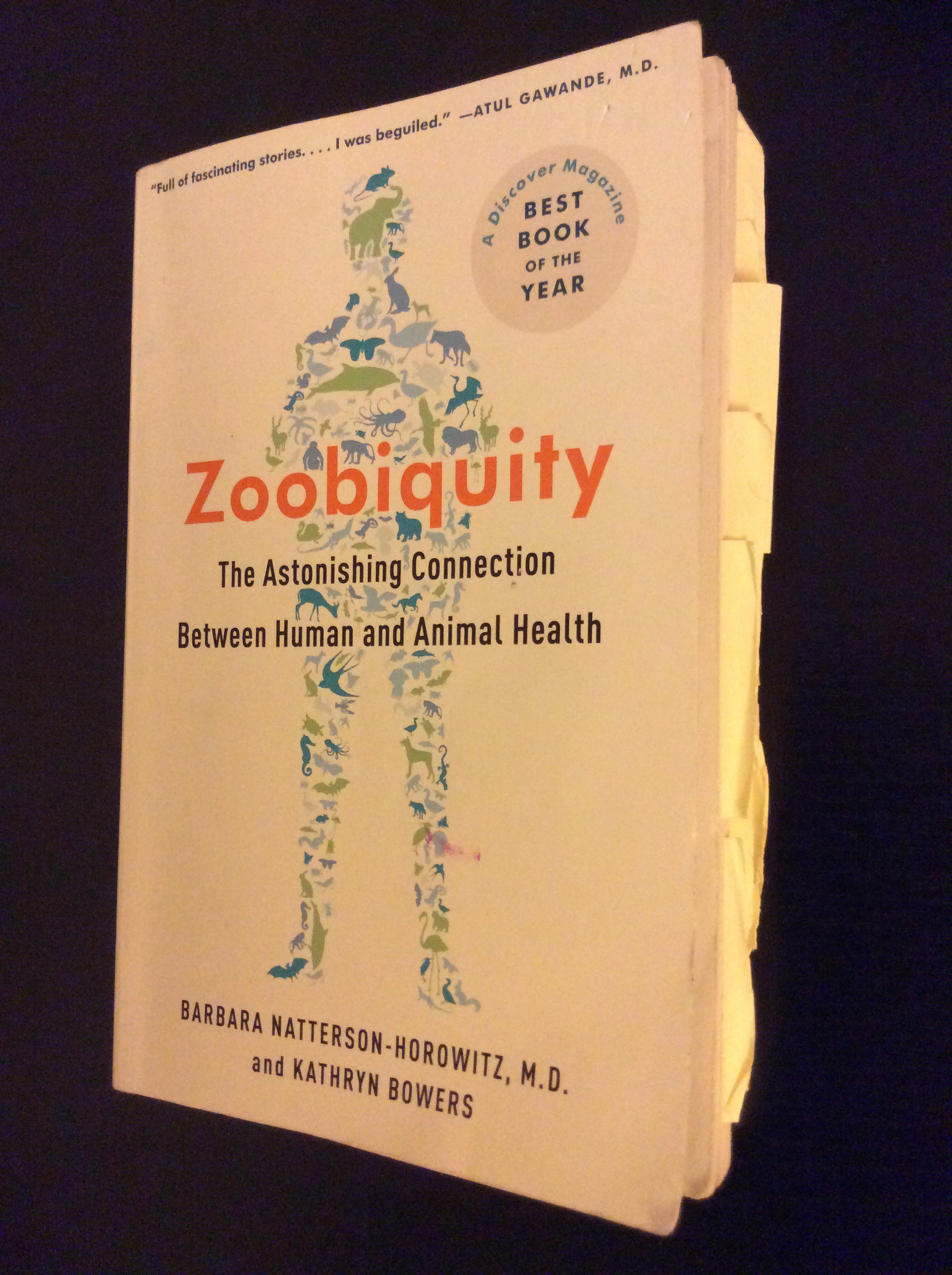


 L. A. K.